Prototype for Steering Committee review. Content is drawn from Collective materials and remains subject to confirmation.
Boland Groot WinterhoekStrategic Water Source Areas Collective

Boland and Groot Winterhoek Strategic Water Source Areas

Working together for water security

A partnership of government, conservation agencies, water users and landscape platforms, coordinating action to secure the mountain catchments that supply water to more than five million people in the Western Cape.

97%of the water supplied to the City of Cape Town originates in the Boland water source area
5 million+people depend on the two Strategic Water Source Areas
70%of the Western Cape economy relies on this water
1.13 millionhectares, mostly mountain fynbos of the Cape Floristic Region

Sources: WWF South Africa (2025); Boland Groot Winterhoek SWSA Collective (2025).

Why these water source areas matter

Healthy catchments are the Western Cape's most cost-effective water supply

South Africa's 22 Strategic Water Source Areas cover 8% of the country yet provide half of the water in its rivers and dams. Two of them, the Boland and the Groot Winterhoek, feed the Berg, Breede, Olifants and Doring rivers and supply Cape Town, the Cape Winelands, Ceres, Saldanha and Atlantis.

The drought of 2015 to 2019 showed how exposed the region is. Invasive alien plants, land degradation, fragmented governance, pollution, uncontrolled fires and climate change all reduce the water these catchments deliver. Clearing invasive trees from the catchments supplying Cape Town returns an estimated 6.4 rand in benefits for every rand spent.

Water lost to invasive alien plants

Measured in days of Cape Town's total water use

Conversion at approximately 900 million litres a day (2026). Sources: Le Maitre et al. (2016; 2019); SANBI (2026); NBA (2025). Benefit-to-cost ratio: The Nature Conservancy, for the Greater Cape Town Water Fund.

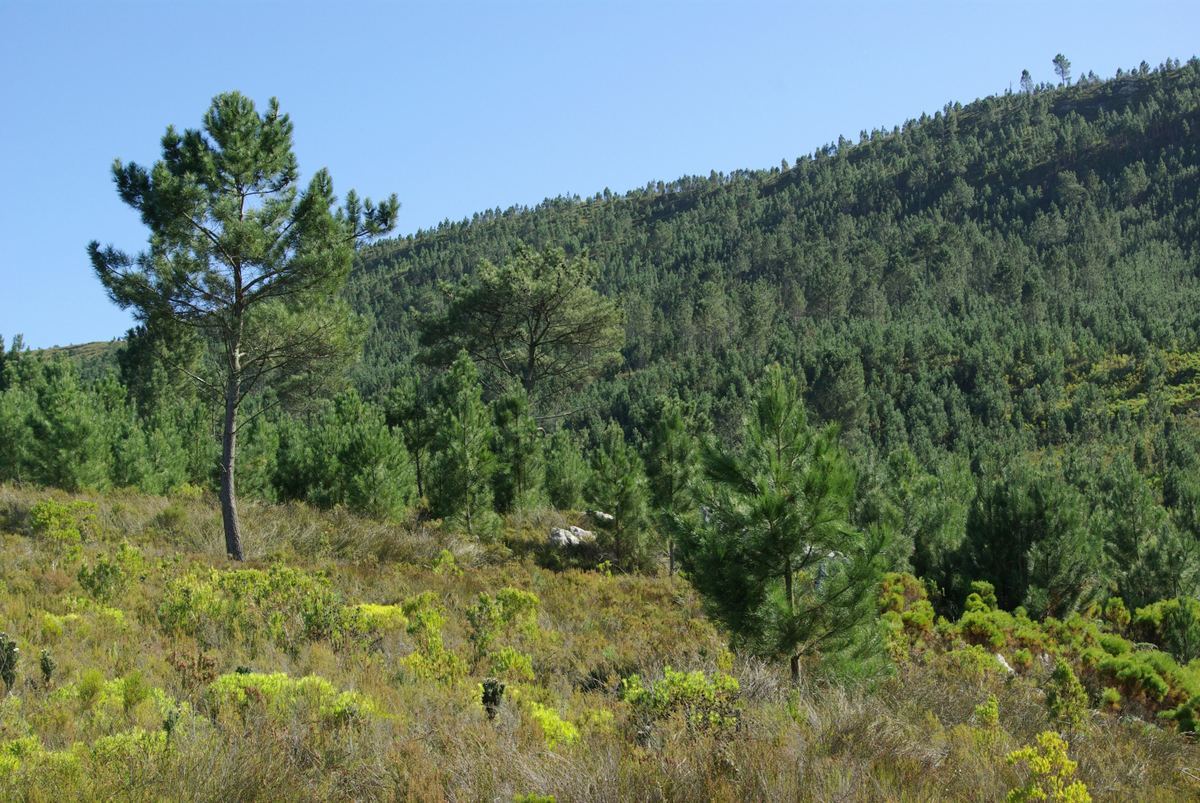
Invasive pine trees spreading across a fynbos mountain slope

Invasive pines spreading into mountain fynbos. Invasive plant cover rose by 28% in the Berg and 22% in the Breede catchments between 2008 and 2023.

The landscape

Two water source areas, ten landscape platforms, one Collective

Select an area, a platform or a project to learn more. Drag to move the map and use the buttons to zoom.

All boundaries are indicative, traced from the Collective's landscape platforms map; official boundary data will replace them. The Cape Winelands Biosphere Reserve and the Agulhas Biodiversity Initiative are shown at approximate centres, and the Western Cape Water Supply System Water Users Platform works across the whole supply system.

Our work

Coordination is already delivering results on the ground

46 000 haof invasive alien plants cleared by partners, 2018 to 2023
15.2 billionlitres of water recovered each year, about 17 days of Cape Town's use
27properties in forestry exit areas in transfer to conservation
Oct 2026shared investment monitoring tool (EI:IMT) operational

Clearing figures reflect work by CapeNature, WWF South Africa, the Western Cape Department of Agriculture, the Greater Cape Town Water Fund and others (NBA 2025).

Under way

The 24 Rivers: the Collective in action for river rehabilitation

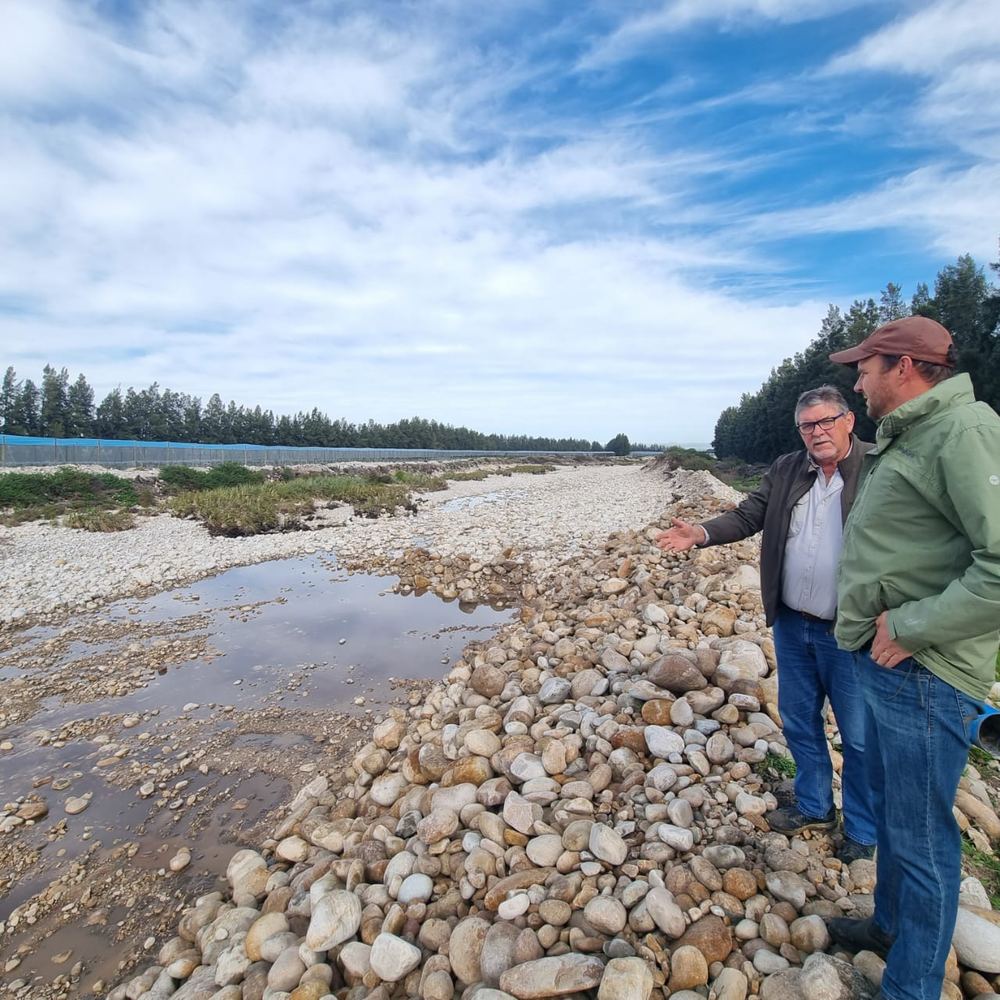
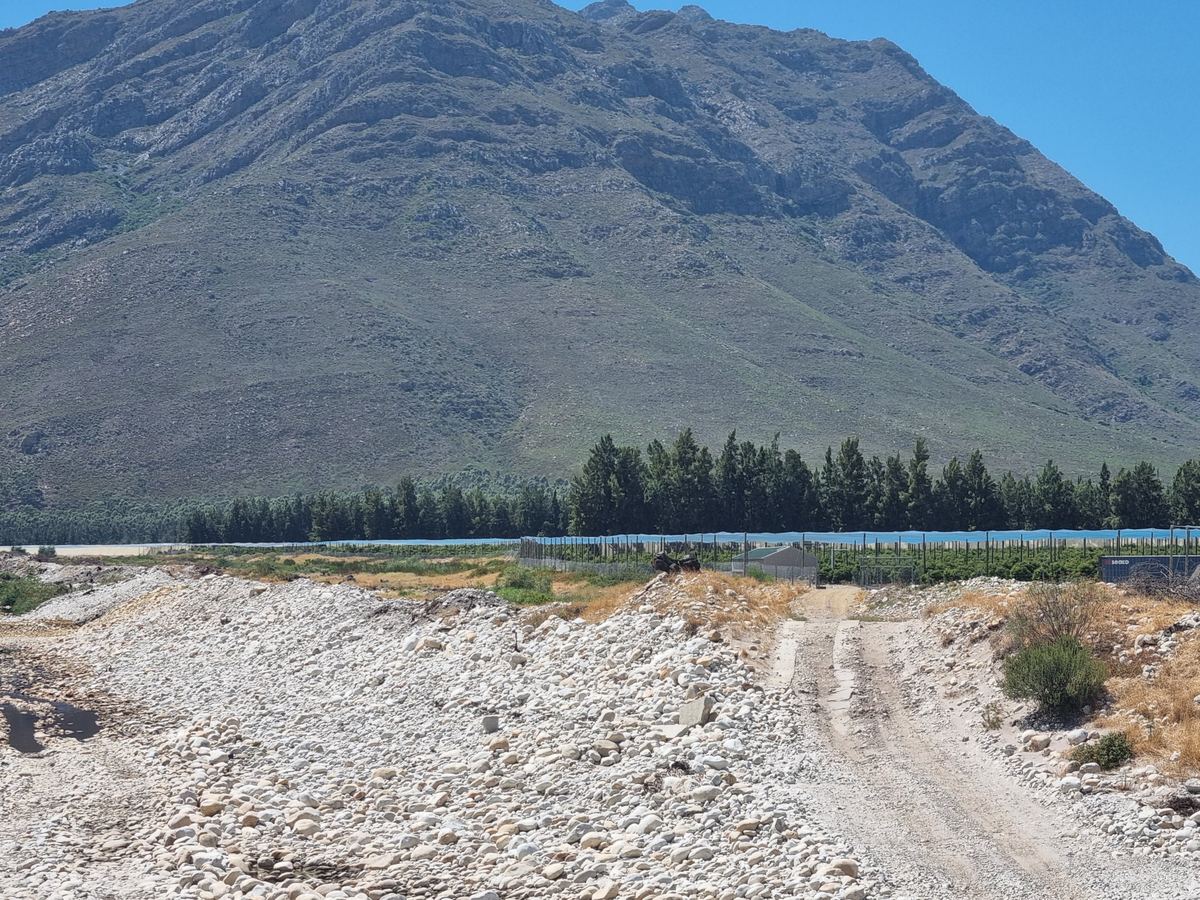
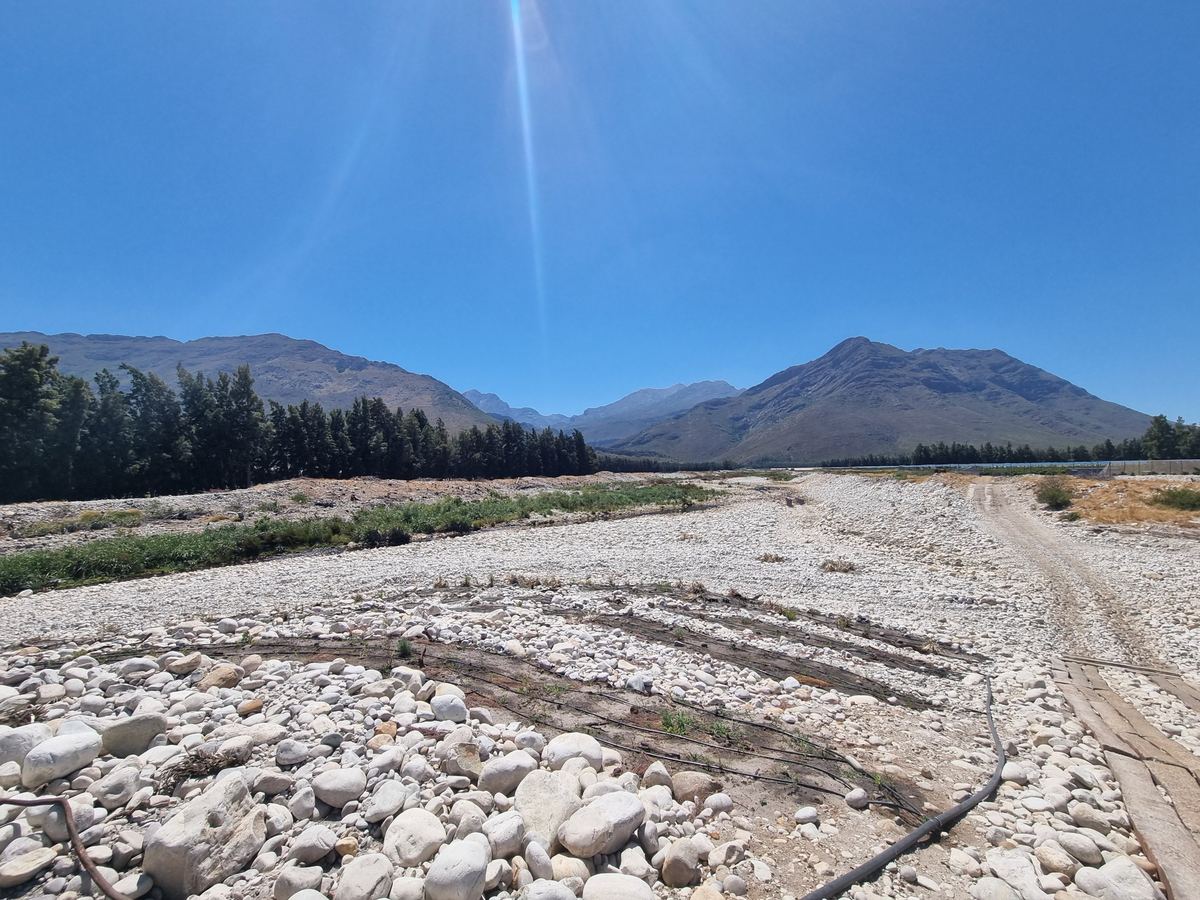
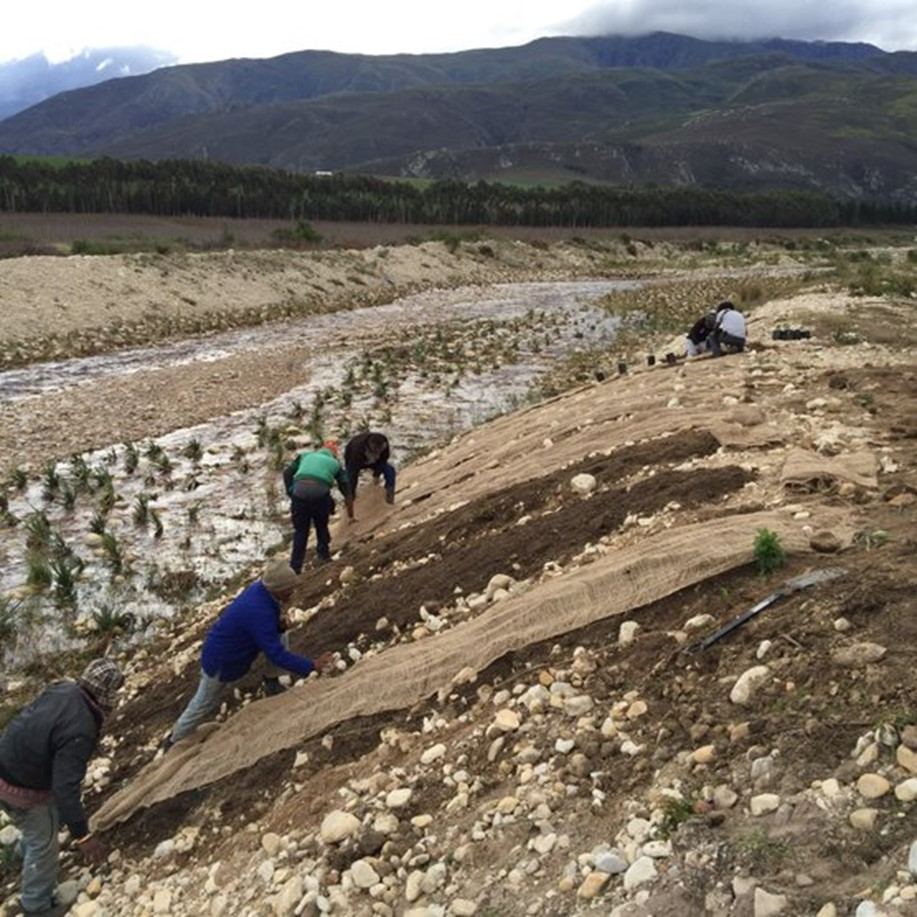
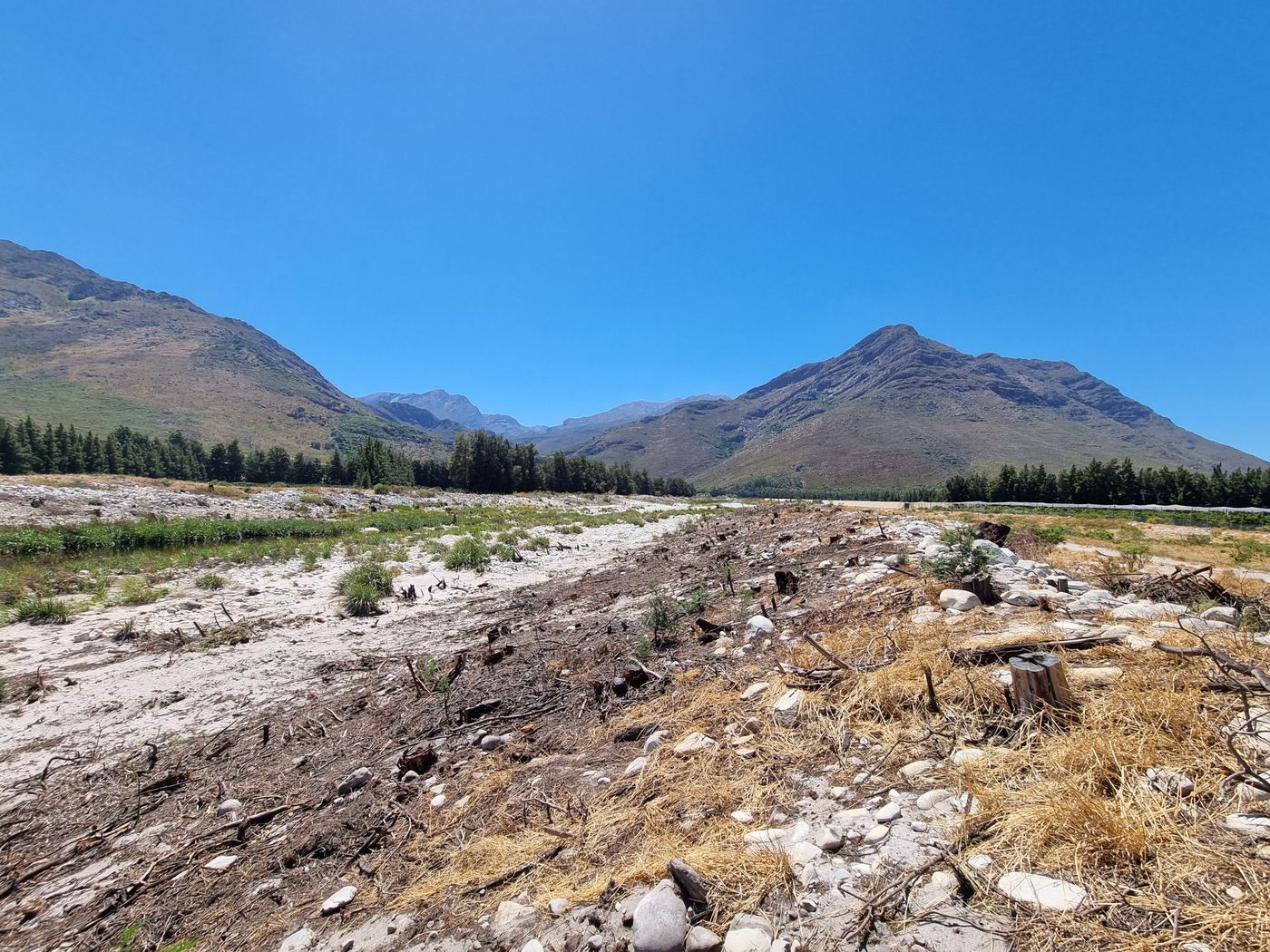
The 24 Rivers takes its name from the many braided channels it once had. It is an important water source for the communities around Porterville and Saron, but farming has reduced it to two main channels, leaving its banks eroded and choked with cobbles.

A joint riparian rehabilitation project emerged through partnerships formed in the Collective. Clearing of invasive plants, managed by the irrigation board and funded by the provincial Department of Agriculture, is followed by active rehabilitation and replanting of the riverbanks funded through WWF.

Partners

  • 24 Rivers Irrigation Board
  • Western Cape Department of Agriculture
  • WWF South Africa and WWF Switzerland
  • DEA&DP (coordination)
  • CapeNature
  • Intaba Environmental Services

Located on the boundary of the Drakenstein and Swartland municipalities, between the mountains and the R44.
Demonstration projects

Projects chosen to test the mechanisms for securing the water source areas, so that proven approaches can be replicated across the landscape platforms.

How we work

A platform of platforms

The Collective was formed in 2022, after the threat of Day Zero brought role players together. It is a multistakeholder partnership that links national policy with action on the ground, so that capacity and resources can flow to local implementers while local data and priorities inform decisions at the scale of the water source areas.

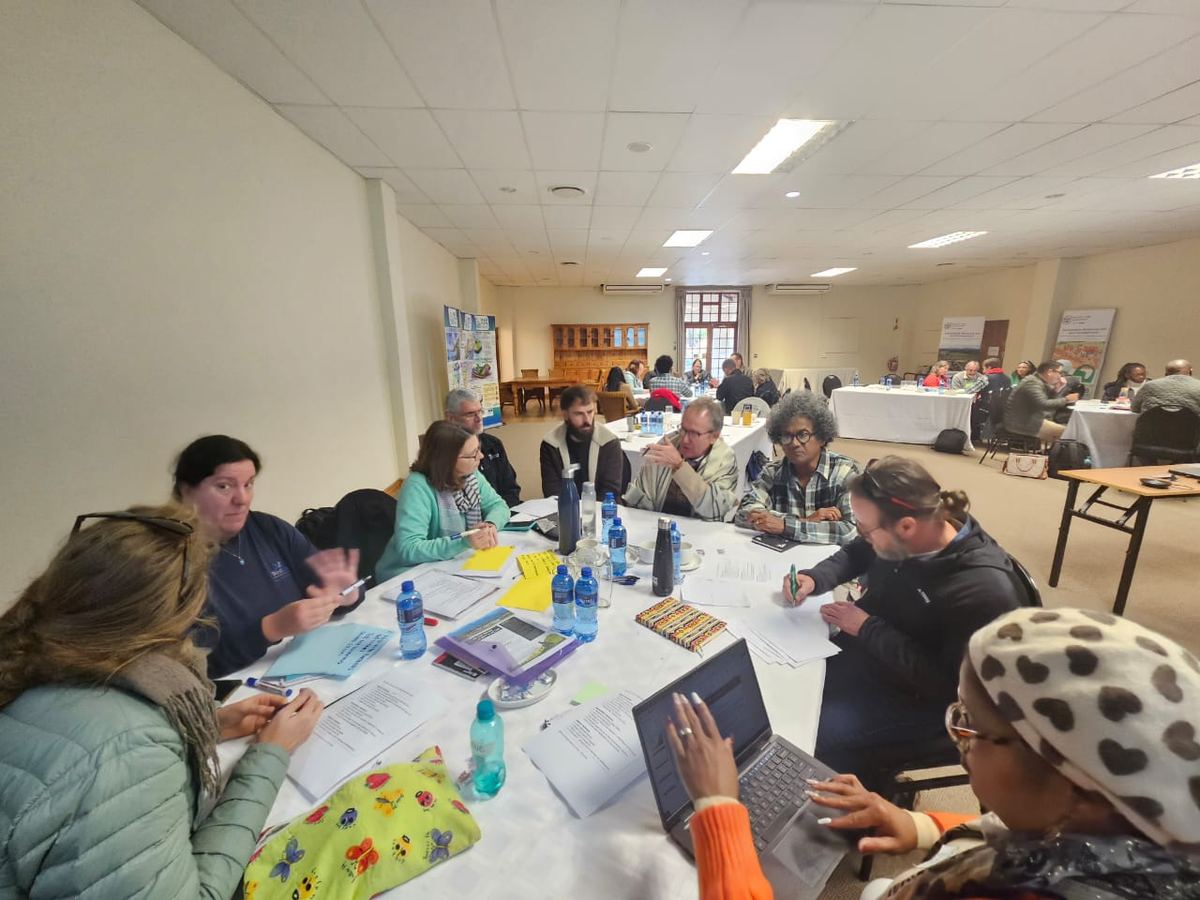
Members meet quarterly. A Steering Committee oversees progress between meetings, and working groups carry much of the work forward under a co-developed governance framework. The Collective respects the mandates of each organisation and is not a legal entity.

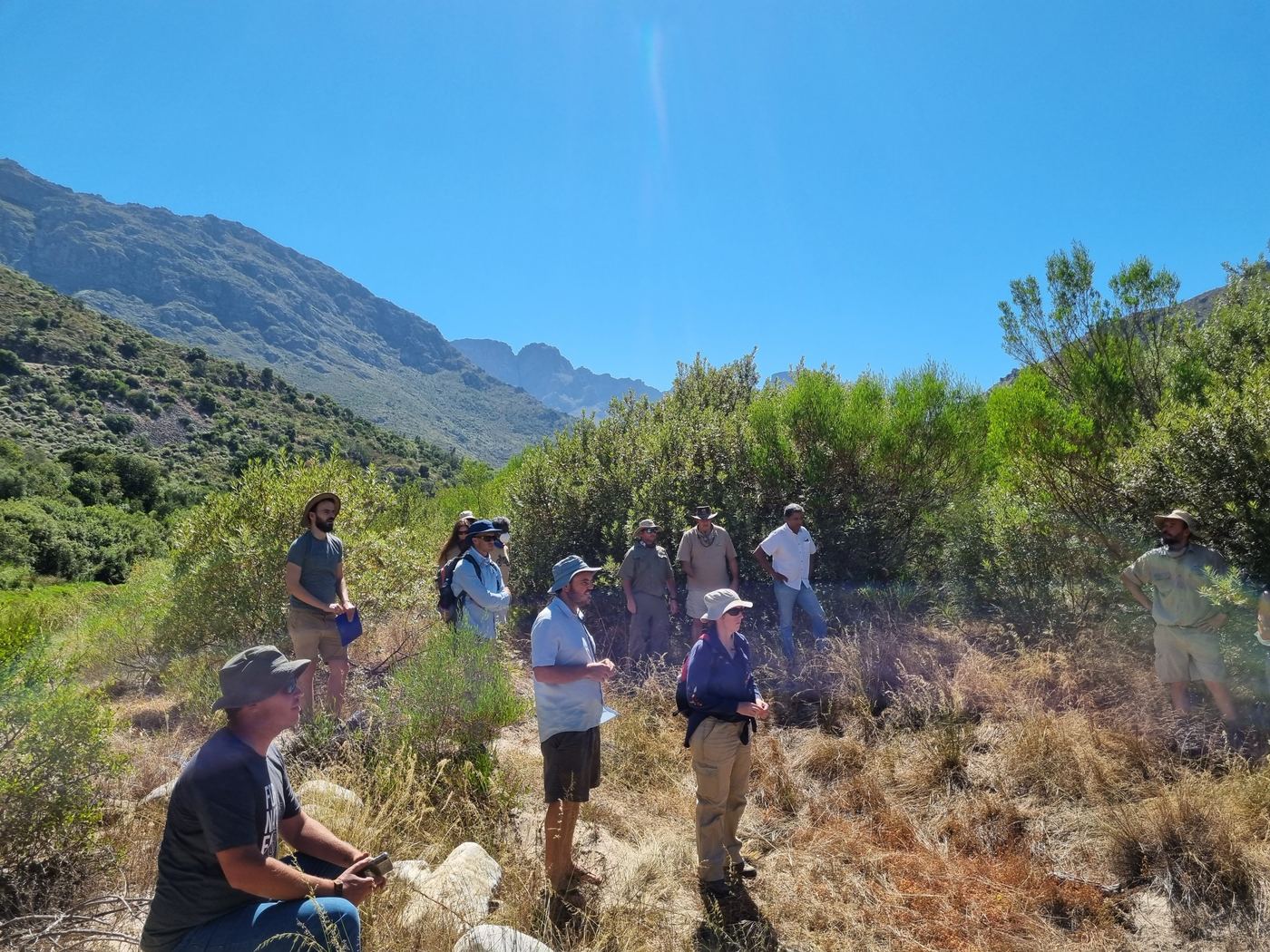
Members working in groups around a table at a Collective meeting Members on a field visit in a mountain valley
National
Government authoritiesNational policy, regulation and cross-catchment processes
Water source areas
Boland Groot Winterhoek SWSA CollectiveCollaboration, information sharing, joint decisions and resource mobilisation
Catchments
Ten landscape platformsCoordinate implementation at catchment scale with water user associations, irrigation boards, conservancies and landowners
Local
Project implementersWater user associations, fire protection associations, green enterprises and landowners

Members

More than 40 members from 19 organisations

Members contribute resources, expertise and data towards shared objectives while keeping their own mandates and identities.

Landscape platforms

Membership drawn from the Collective's 2025 factsheet and landscape platforms map; to be confirmed by the secretariat before publication.

Get involved

Join, support or partner with the Collective

Become a member

Membership is open to any organisation with an interest in securing the Boland and Groot Winterhoek water source areas. Members are expected to:

  • share resources, data and expertise
  • take part in quarterly meetings and working groups
  • align their work with the Collective's objectives, within their own mandates
Enquire about membership

Invest in water security

Funders can support the Collective's work at the scale that suits them, including:

  • the coordination function that serves all partners
  • one or more landscape platforms
  • a demonstration project or a single work package
  • independent monitoring and evaluation
Discuss a partnership

Member zone

Registered members sign in to:

  • view upcoming engagements and their documents
  • share progress for newsletters and meetings
  • submit case studies for Steering Committee consideration
  • use the resource centre of presentations and reports

Contact the secretariat: bgwcollective@gmail.com

Member zone

The member zone opens when the website launches. Approved members will sign in with their email address to:

To request access, contact the secretariat at bgwcollective@gmail.com.